What Is the delta-delta ratio and How to Interpret an Anion Gap Calculator
What is the delta-delta ratio?
The delta-delta ratio is a tool used in acid-base interpretation to help identify whether a patient with metabolic acidosis has a straightforward disorder or a mixed acid-base disorder. It measures the elevation in the anion gap with the drop in serum bicarbonate. That comparison can reveal whether the change in one value matches the expected change in the other.
This matters because not all acidosis is the same. A patient may have high anion gap metabolic acidosis, but the numbers may also suggest a concurrent normal anion gap metabolic acidosis, a coexisting alkalosis, or an issue with respiratory compensation. The delta-delta ratio helps with that wider pattern recognition.
In simple terms, the delta-delta ratio asks: is the increase in the anion gap “big enough” to explain the drop in serum bicarbonate? If the answer is yes, the pattern may fit a classic high-gap acidosis. If not, the calculation suggests further processes are affecting the laboratory values.
The concept depends on the idea that the body’s acid-base system responds in predictable ways. When unmeasured acids accumulate, bicarbonate is consumed as buffering occurs. The relationship between those changes creates a useful measurement for evaluation. That is why the delta-delta ratio is often used in the diagnostic approach to unexplained metabolic acidosis.
Why the Anion Gap Calculator matters
An Anion Gap Calculator simplifies the determination of key electrolyte values and allows clinicians or students concentrate on interpretation rather than arithmetic. Because the serum electrolytes are usually obtained together on an electrolyte panel, the calculator can rapidly estimate the anion gap using serum sodium, serum chloride, and serum bicarbonate.
That speed matters in clinical settings, where prompt evaluation of laboratory values may support immediate decisions. The calculator can also minimize transcription mistakes and make it easier to compare one set of values against another when tracking changes over time.
Most versions of an Anion Gap Calculator use a standard formula based on common chemistry measurements. Once the gap is known, the delta-delta ratio can be assessed by comparing the gap change to the bicarbonate change. In other words, the calculator supports the first step in a larger analysis.
Another reason the calculator is helpful is that it provides a structured way to think about abnormality. A number by itself is less useful than a number interpreted in clinical context. For example, a low bicarbonate level may result from several mechanisms, and a normal or elevated anion gap can change the diagnosis entirely. The calculator helps organize that evidence.
The values it uses are not just abstract chemistry results. Serum sodium reflects the major measured cation, while serum chloride and serum bicarbonate account for major measured anions. Because albumin also contributes to the gap, the best interpretation often includes albumin correction using serum albumin.
How to calculate the delta-delta ratio in a step-by-step manner
The calculation formula starts with the anion gap:
Anion gap = serum sodium - (serum chloride + serum bicarbonate)
This represents the standard first step for the delta gap evaluation. If the anion gap is increased, the next step is to compare how much it has risen above the normal anion gap with how much the bicarbonate has fallen below its expected level.
A common way to express the delta gap is:
Delta gap = measured anion gap - normal anion gap
Then compare that delta gap to the bicarbonate deficit:
Expected bicarbonate drop = normal bicarbonate - measured bicarbonate
The delta-delta ratio is often written as:
Delta-delta ratio = delta gap / bicarbonate deficit
Some clinicians switch the relationship depending on the method used, but the practical goal is the same: determine whether the change in the anion gap is proportionate to the change in bicarbonate. Consistency in the formula matters, so use the same convention across the analysis.
To follow the method step by step:
- Verify the serum sodium, serum chloride, and serum bicarbonate values from the electrolyte panel.
- Calculate the anion gap.
- Relate the result to the lab’s reference range for a normal anion gap.
- Calculate the delta gap by subtracting the normal anion gap from the measured gap.
- Compute the expected bicarbonate drop or deficit.
- Use the ratio to assess whether the pattern suggests a simple or mixed disorder.
For example, if the anion gap is elevated by 12 and bicarbonate has fallen by 12, the ratio suggests a matched change. If the gap has risen by 12 but bicarbonate has only fallen by 4, there may be another process raising bicarbonate. If bicarbonate has fallen more than expected, a second acidosis may be present.
That is why the delta-delta ratio is more than a mathematical exercise. It functions as a systematic analysis that helps detect the root mechanism, a deviation, and compensation trends. It supports the first diagnosis instead of replacing broader evaluation.
How to understand delta-delta ratio results
The interpretation depends on the link between the delta gap and the bicarbonate deficit. The ratio is most helpful when the patient clearly has high anion gap metabolic acidosis, because that is the setting in which the calculation was designed to identify additional acid-base processes.
A ratio near the anticipated range often suggests that the increase in anion gap and the fall in bicarbonate are proportional. That pattern may indicate a primary high-gap acidosis without an additional major disorder. However, a ratio outside the expected range can suggest a mixed acid-base disorder.
If the delta-delta ratio is relatively high, one possibility is that the bicarbonate has not fallen as much as expected for the size of the gap. That can indicate a concurrent normal anion gap metabolic acidosis or even a metabolic alkalosis raising bicarbonate. If the ratio is low, bicarbonate has dropped more than the gap rise would predict, which may point to a second acidosis.
Respiratory compensation also matters. Respiratory compensation is the body’s effort to adjust carbon dioxide in response to metabolic acid-base changes. If compensation is inadequate or excessive, the patient may have an additional respiratory disorder, which changes the overall acid-base interpretation.
In practical terms, the ratio is best viewed as an analysis aid, not a standalone answer. It works best when combined with the clinical picture, acid-base analysis, and the rest of the laboratory values. That includes pH, carbon dioxide, bicarbonate, and the pattern of electrolytes.
A delta-delta ratio that does not fit the expected pattern should prompt a broader diagnostic approach, not an automatic conclusion.
One useful way to think about the result is this:
- Proportional rise and fall: may suggest uncomplicated high-gap acidosis.
- Higher ratio: may suggest added metabolic alkalosis or normal-gap acidosis.
- Lower ratio: may suggest a second acidosis or greater bicarbonate loss than expected.
Common causes of abnormal delta-delta values
Atypical delta-delta values often suggest more than one process at once. The main causes are those that either increase acid production or promote bicarbonate loss. Recognizing these mechanisms helps with the evaluation of a patient with metabolic acidosis.
Lactic acidosis is a classic cause of high anion gap metabolic acidosis. Lactate accumulates when tissue oxygen delivery or utilization is impaired, and the resulting acid load lowers bicarbonate. Depending on severity and timing, the delta-delta ratio may help show whether another disorder is present at the same time.
Ketoacidosis is another important cause. In diabetic ketoacidosis, alcoholic ketoacidosis, or starvation states, ketone bodies raise the anion gap and consume bicarbonate. A delta-delta pattern that looks inconsistent may suggest vomiting, volume contraction, or another acid-base disorder layered on top of the ketosis.
Renal failure can produce accumulation of unmeasured acids and limit acid excretion. It may also coexist with other processes, including impaired compensation and chronic changes in bicarbonate balance. Because kidney dysfunction alters multiple parts of the system, the delta-delta ratio should be assessed carefully.
Salicylate poisoning is a notable mixed picture. It can produce high-gap acidosis and respiratory effects at the same time, so the overall analysis may show unusual bicarbonate relationships and abnormal respiratory compensation. The delta-delta ratio can support suspicion of a mixed disorder, but it should never stand alone.
Toxic alcohols such as methanol or ethylene glycol can also cause a high anion gap with significant metabolic derangement. As metabolites accumulate, the gap rises and bicarbonate falls. If the ratio seems inconsistent, the clinician should evaluate for coexisting disorders or a changing time course.
A different common process is bicarbonate depletion, most often from digestive loss or renal tubule disorders. If bicarbonate loss occurs separately, the pattern may resemble a mixture of elevated-gap and normal-gap acidosis, thereby affecting the delta-delta ratio. That is one reason the ratio is helpful in identifying a normal anion gap metabolic acidosis combined with a high-anion-gap process.
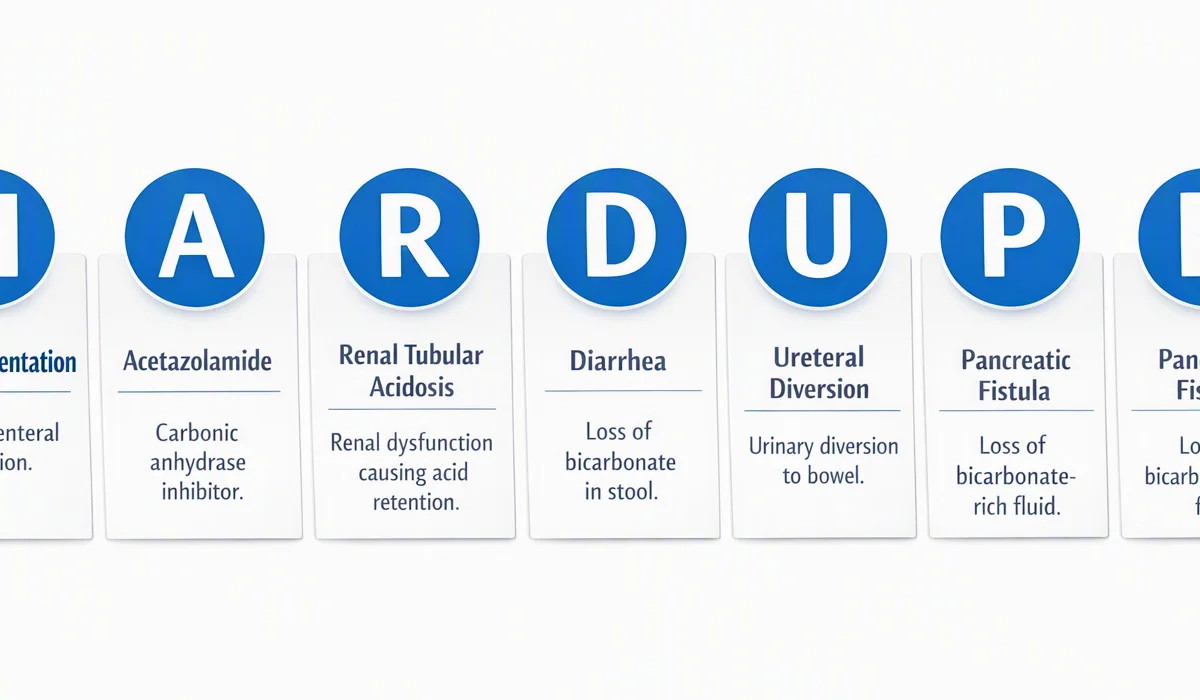
In general, atypical results often reflect a pattern-based interpretation rather than just one diagnosis. The calculation is a hint that helps limit the differential diagnosis, not an alternative for a full clinical review.
Limitations of the delta-delta ratio
The delta-delta ratio is helpful, but it has notable drawbacks. One major issue is albumin correction. Serum albumin is a negatively charged protein that affects the anion gap. anion gap in chronic kidney disease When albumin is low, the measured anion gap may appear falsely normal or less elevated than it truly is. That can distort the ratio and change interpretation.
Because of that, clinicians often correct the anion gap for albumin before using the ratio. Without that correction, the calculation may miss the size of the acid load. This is especially relevant in hospitalized patients, malnutrition, inflammation, or other conditions that lower albumin.
Lab variation is another issue. Different analyzers, assay methods, and local calibration standards can shift the results slightly. A reference range used in one setting may not match another, so the exact definition of “normal” may vary. That means the same laboratory values can result in different interpretations depending on the institutional standard.
The ratio also depends on the accuracy of the underlying measurement. If sodium, chloride, or bicarbonate values are affected by sample handling or analytic error, the calculation will be affected too. Small differences may matter when the ratio is close to the threshold.
Most importantly, the ratio must be used in clinical context. A number that looks abnormal does not automatically prove a mixed disorder. Likewise, a ratio in the expected range does not eliminate all additional acid-base problems. Symptoms, history, vital signs, medication exposures, and the overall acid-base analysis still matter.
The best use of the delta-delta ratio is as part of a broader diagnostic approach that includes the electrolyte panel, arterial or venous blood gas data, and the timeline of the illness. It is a tool for interpretation, not a final answer on its own.
Frequently asked questions: delta-delta ratio and anion gap interpretation
What does the delta-delta ratio tell you?
The delta-delta ratio indicates whether the rise in the anion gap matches the fall in serum bicarbonate during metabolic acidosis. It can reveal whether the patient likely has a single disorder or a mixed acid-base disorder. In practice, it guides anion gap interpretation by showing whether the pattern matches a simple high-gap process or suggests an additional abnormality.
How do you calculate the delta-delta ratio from an anion gap?
Initially calculate the anion gap from serum sodium, serum chloride, and serum bicarbonate. Then deduct the normal anion gap to get the delta gap. Next contrast that value with the decrease in bicarbonate from the expected bicarbonate level. The exact Visit the website calculation method may vary slightly, but the formula is always based on the relationship between the change in gap and the change in bicarbonate.
What is the meaning of a delta-delta ratio greater than 2 mean?
A delta-delta ratio greater than 2 often implies that bicarbonate has not fallen as much as expected for the size of the anion gap increase. That pattern can point to a concurrent metabolic alkalosis or a normal anion gap metabolic acidosis alongside high anion gap metabolic acidosis. The result should be interpreted with the rest of the acid-base analysis and the patient’s clinical context.
What does a delta-delta ratio less than 1 mean?
A delta-delta ratio less than 1 suggests that bicarbonate has fallen more than expected relative to the gap rise. This can indicate a second acidosis, such as additional bicarbonate loss, or a combined process affecting both the gap and bicarbonate. It may also reflect changes in compensation, so the full diagnostic approach should include respiratory data and other laboratory values.
Can the delta-delta ratio be used without adjustment for albumin?
It is usable, but the result may be misleading if serum albumin is low. Because albumin correction refines the anion gap for the effect of hypoalbuminemia, omitting it can underestimate the true gap and affect the ratio. For the best interpretation, the ratio should be evaluated alongside albumin-corrected values, lab variation, and the overall clinical picture.